
-
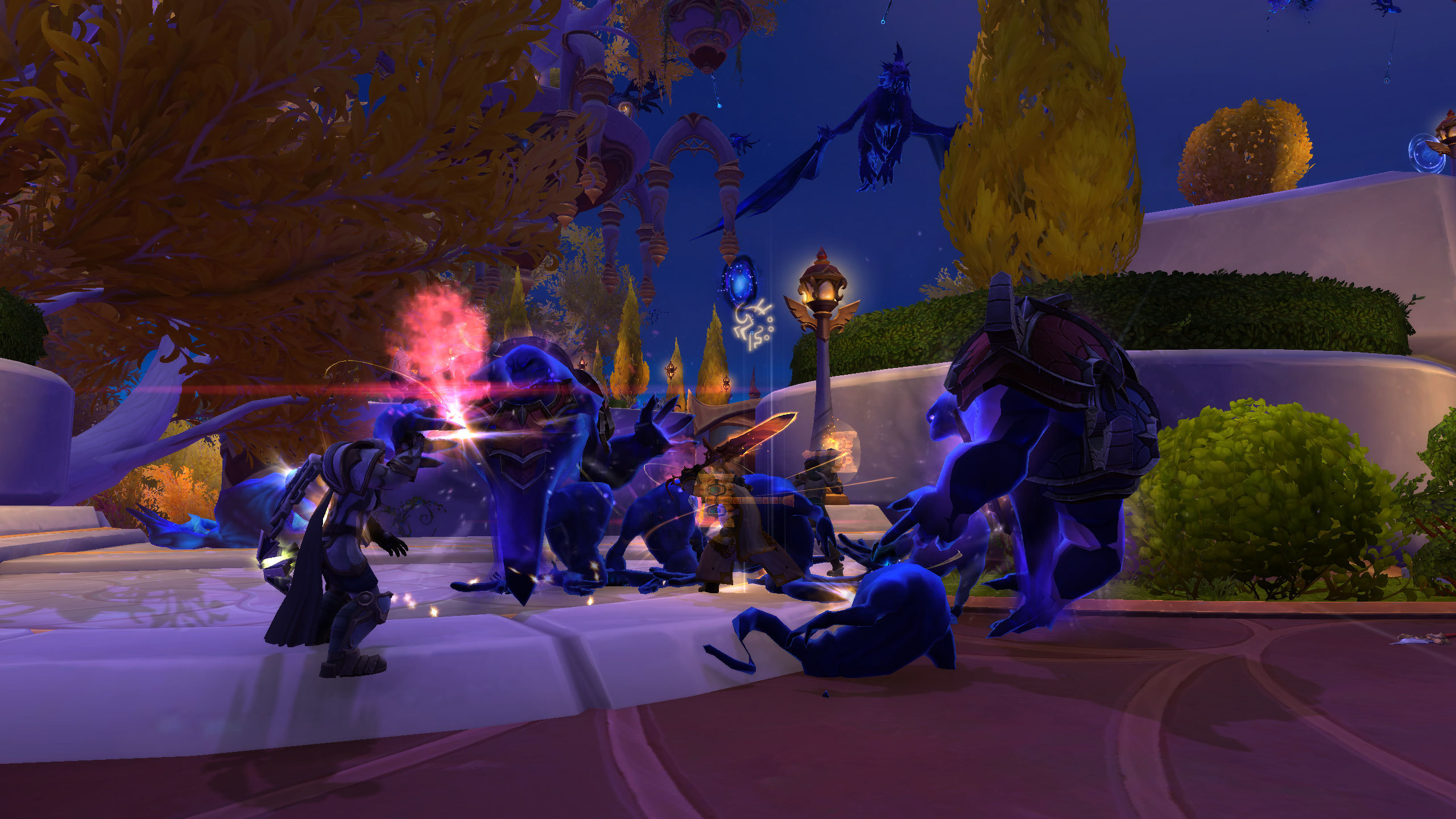
The Mythic Plus Role Playbooks: Tank, Healer, DPS, and How to Be Loved in Pugs
The “Pick-Up Group” (PUG) is a masterclass in Social Volatility. In the high-stakes environment of a timed Keystone, five strangers must function with the precision of a surgical team despite having zero shared history. This pressure often leads to “Toxic Friction,” yet certain players are consistently added to friend lists and sought after for…
-
How to Fix Your Camera and Movement: The Fastest Way to Instantly Play Better
In the high-pressure environment of endgame combat, the most dangerous enemy is often not the boss, but your own Perspective Distortion. The default camera settings and movement behaviors in Azeroth are relics of a slower, more methodical era of gaming. For the modern player, these settings create a state of Spatial Blindness, where the…
-
Mouse, Keyboard, or Controller: The Truth About What Actually Works in WoW
World of Warcraft was forged in the era of the “Keyboard and Mouse” (KBM) monopoly, leading to a long-standing Input Elitism. The idea of playing a complex MMO with a controller was once considered a Mechanical Suicide. However, with the evolution of official support and refined accessibility options, the “Correct” way to play has…
-
The Best Keybind Setup for Comfort and Speed (Even If You’re Not a Tryhard)
The transition from “Clicking” abilities to “Keybinding” them is often described as an elitist barrier. However, keybinding is actually the ultimate tool for Physical Longevity and Ergonomic Comfort. Clicking requires constant visual monitoring of the UI, leading to Neck Strain and Spatial Disorientation. A “Set It and Forget It” keybind layout allows your hands…
-
The “I’m Not Good at PvP” Myth: How to Improve Without Grinding Yourself Down
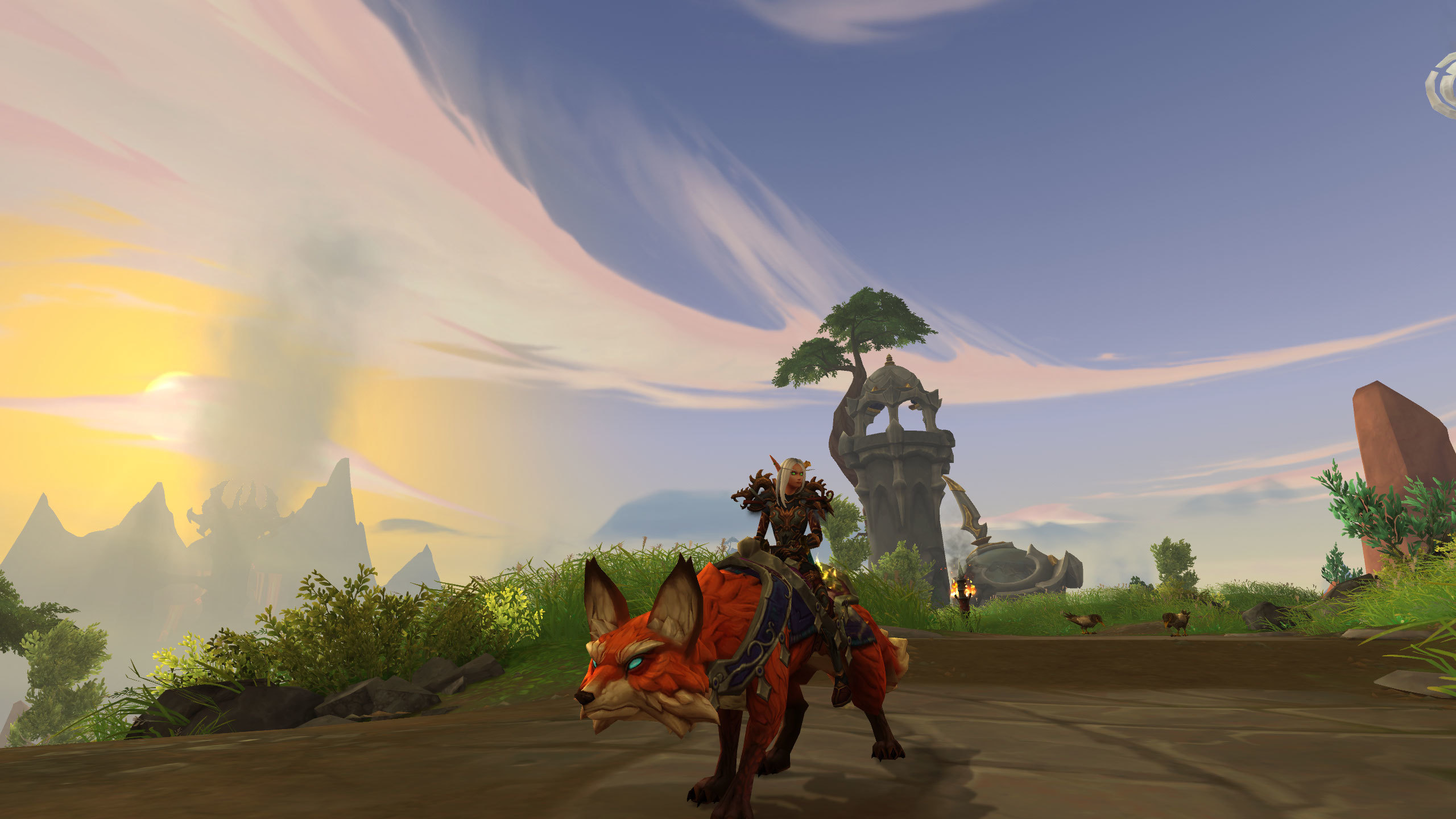
The phrase “I’m not good at PvP” is often a psychological shield used to avoid the Ego-Brittle Environment of competitive play. It stems from the Binary Failure Fallacy—the belief that you are either a natural “Pro” or a hopeless victim. This myth is reinforced by the high-speed nature of modern combat, which can make…
-
Battleground Brains: How to Win More Games by Making Better Small Decisions
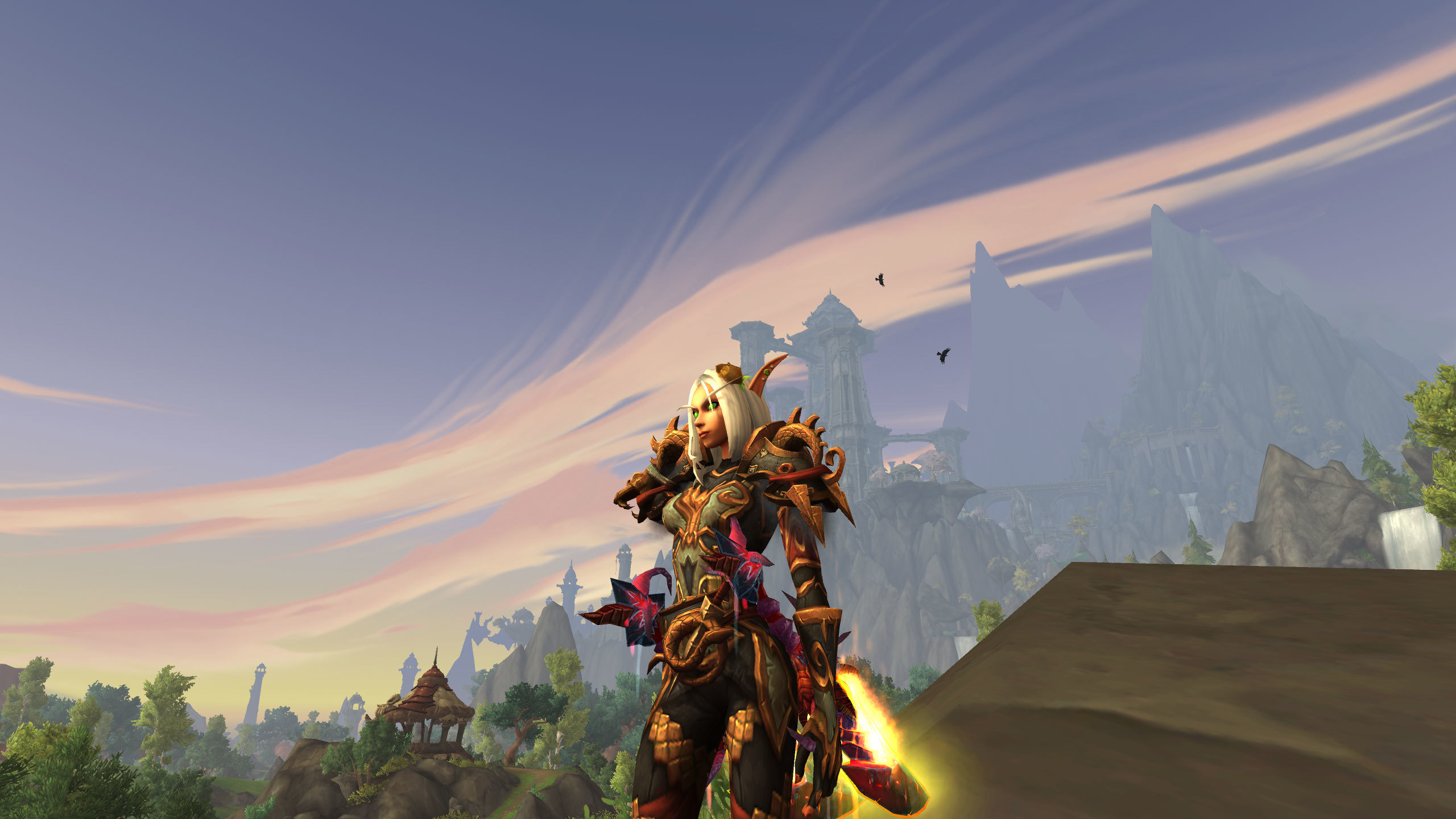
Battlegrounds are often dismissed as “Zerg-fests”—chaotic brawls where individual contribution feels meaningless. This is a Macro-Perspective Fallacy. While one player cannot win a 15v15 match through raw damage, one player *can* win a match through Decision-Making Influence. A battleground is a collection of “Micro-Engagements.” By making better small decisions—where to stand, when to leave,…