
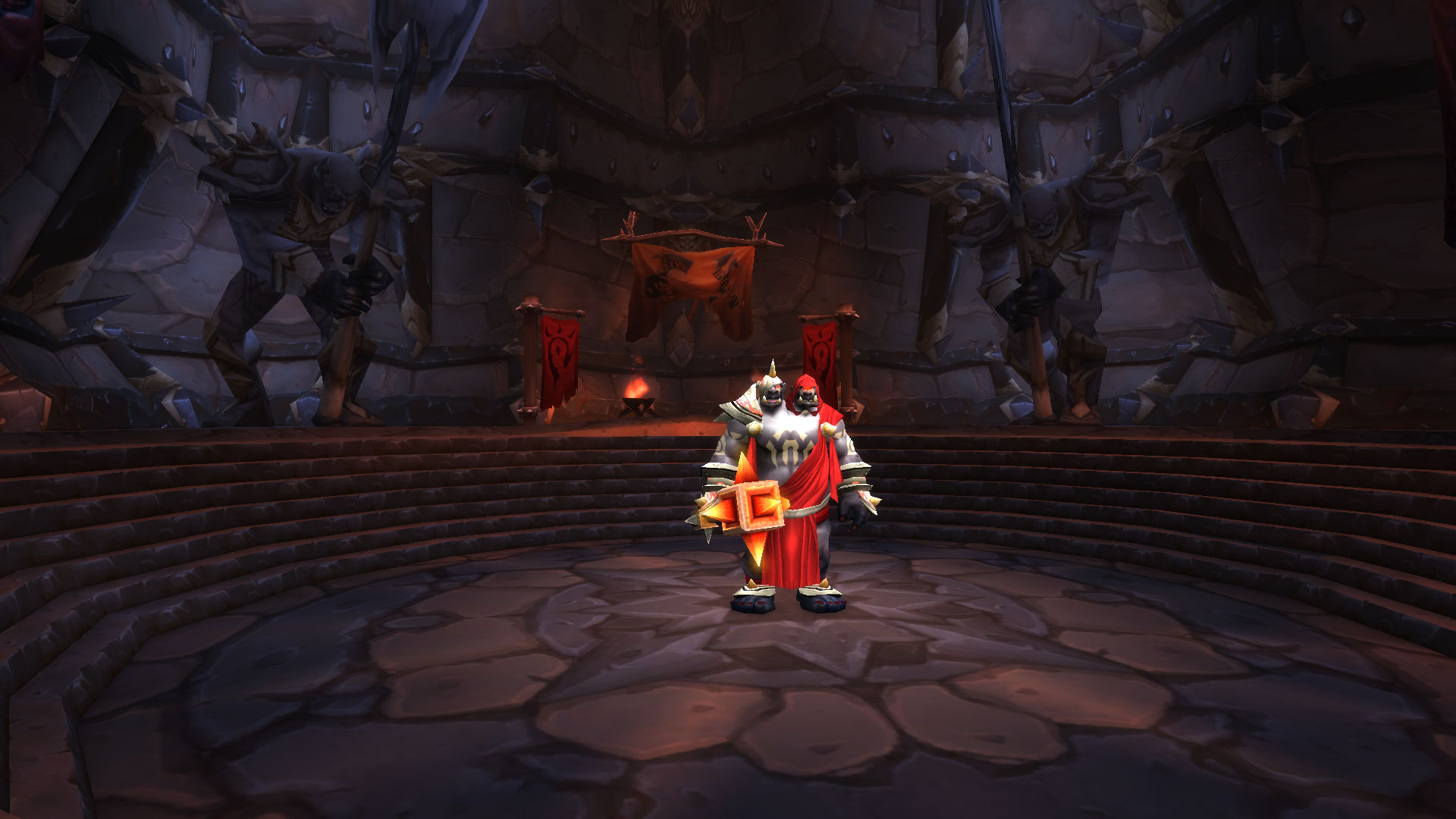
The early era of World of Warcraft (WoW) was marked by a unique culture that revolved around high-stakes raiding and a competitive spirit that often led to intense leadership dynamics. Players were driven by the need to optimize their performance, leading to the infamous mantra of “More Dots, More Dots!” This phrase encapsulated the relentless pursuit of damage output, which became a cornerstone of raid strategies. Understanding this era’s culture is essential for grasping the evolution of MMORPGs and the social structures that emerged within them.
What were the key metrics of early WoW raiding performance?
In early WoW raiding, key performance metrics included DPS (Damage Per Second), threat generation, and raid composition efficiency.
These metrics were critical for evaluating a player’s contribution to the raid and determining overall success. The following table outlines essential performance metrics that defined early WoW raiding, showcasing how players measured their effectiveness and the competitive nature of the environment.
| Metric | Average Value | Top 10% Value | Raid Composition Impact |
|---|---|---|---|
| DPS | 300-600 | 800+ | High |
| Threat Generation | 200% of DPS | 300%+ | Critical |
| Raid Composition Efficiency | 75% | 90%+ | Essential |
How did the culture of early WoW shape raid leadership dynamics?
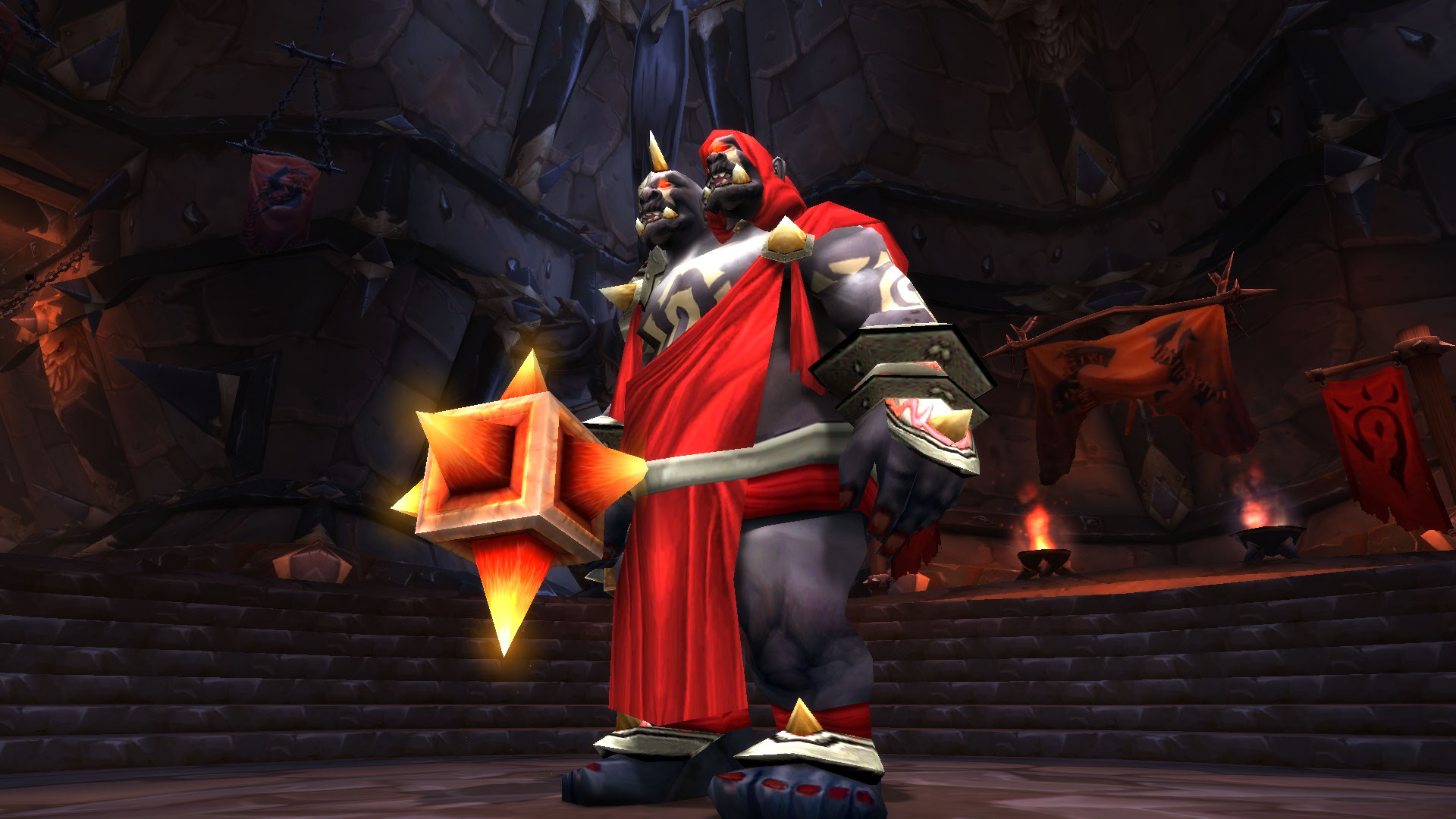
The culture of early WoW fostered a unique dynamic where raid leaders often wielded significant power, leading to a mix of admiration and resentment among players.
Raid leaders were typically the most experienced players, tasked with organizing raids, managing schedules, and ensuring that strategies were executed flawlessly. This responsibility often led to a hierarchical structure within guilds, where leaders were expected to maintain high performance standards. The pressure to succeed in raids created a culture of accountability, where failure could result in harsh criticism or even expulsion from the guild. This environment fostered a competitive spirit that was both motivating and demoralizing, as players strived to meet the expectations set by their leaders.
Moreover, the mechanics of early raids required precise execution of strategies, which often involved complex coordination among players. Leaders had to analyze performance metrics and adjust strategies on the fly, creating a high-stakes atmosphere where every decision mattered. The infamous “More Dots” mantra emerged from this need for optimization, as players sought to maximize their damage output and contribute to the raid’s success. This focus on metrics led to a culture where players were constantly comparing their performance against others, further intensifying the competitive nature of raiding.
What steps can players take to excel in early WoW raids?
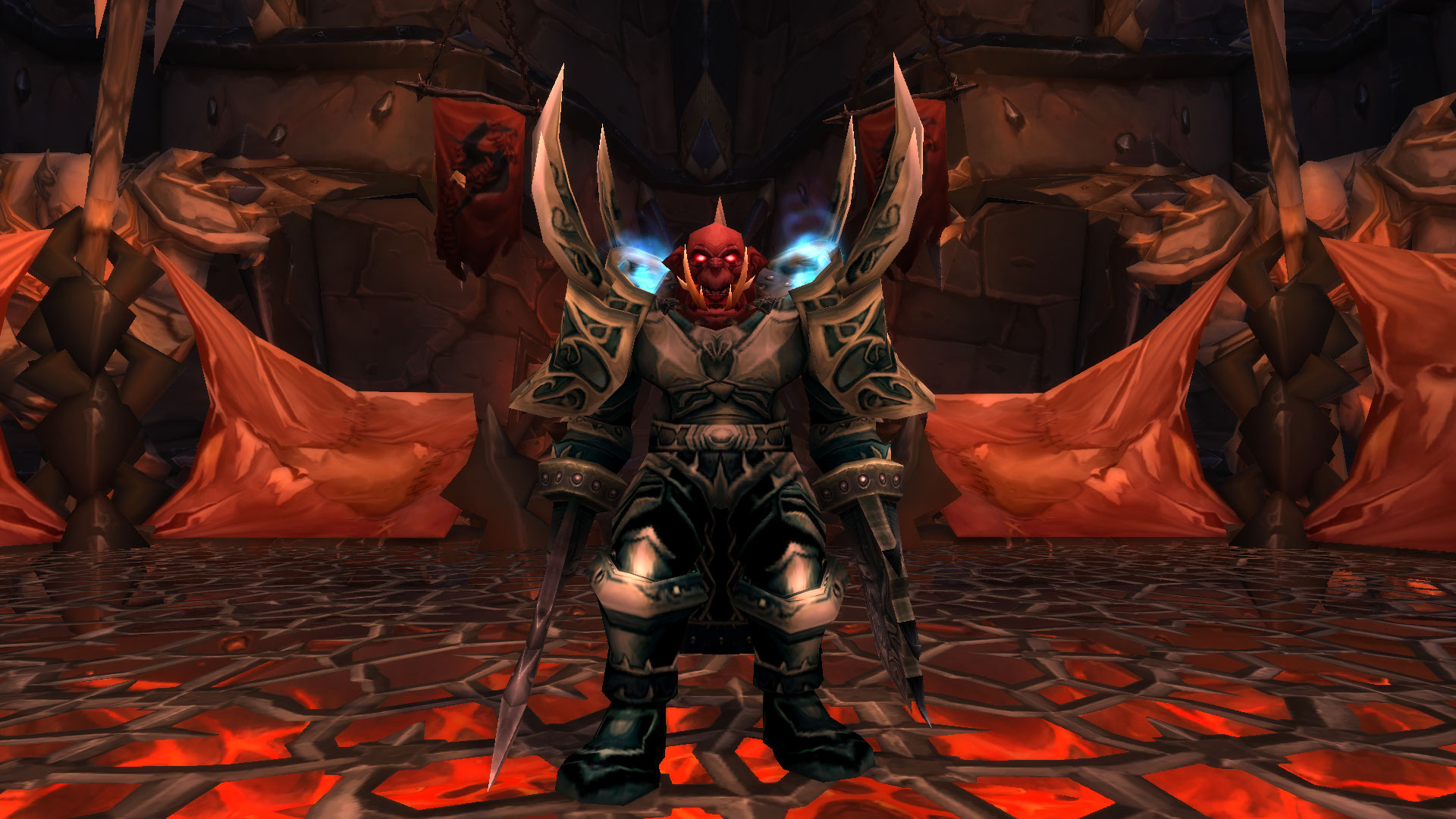
To excel in early WoW raids, players should focus on optimizing their character builds, mastering encounter mechanics, and maintaining effective communication.
Successful raiding requires a combination of preparation, skill, and teamwork. Players should begin by selecting the optimal talent builds that enhance their damage output or survivability based on their class and role. Understanding the intricacies of each encounter is crucial, as players must learn to anticipate mechanics and react accordingly. This knowledge allows players to maximize their contributions during raids, whether by dealing damage, healing, or tanking. Additionally, effective communication with raid leaders and fellow players is essential for coordinating strategies and executing complex maneuvers.
- Optimize your character build by researching the best talent trees and gear for your class.
- Study raid encounters in advance to understand mechanics and strategies.
- Practice effective communication with your raid team to ensure everyone is on the same page.
- Analyze your performance after each raid to identify areas for improvement.
What are the critical parameters for successful raiding in early WoW?
Successful raiding in early WoW hinges on understanding encounter mechanics, optimizing group composition, and maintaining a high level of player engagement.
Critical parameters include the balance of classes within the raid, as certain encounters favored specific roles or abilities. For example, having the right mix of healers, tanks, and damage dealers was essential for overcoming challenging encounters. Additionally, understanding the mechanics of each boss fight allowed players to anticipate damage spikes and adjust their strategies accordingly. This knowledge was often shared through forums and guides, creating a community of players dedicated to mastering the game.
Moreover, maintaining player engagement was vital for long-term success in raiding. Players needed to feel invested in the outcome of each raid, which was often fostered through guild culture and camaraderie. Leaders played a key role in this by providing constructive feedback and celebrating successes, which helped to motivate players and build a sense of community. Ultimately, the combination of strategic planning, effective communication, and a supportive environment contributed to the success of early WoW raids.
What potential issues and troubleshooting methods exist in early WoW raiding?
Potential issues in early WoW raiding include performance disparities among players, miscommunication, and raid composition challenges.
Performance disparities can arise when certain players consistently underperform, leading to frustration among the team. This issue can be addressed through constructive feedback and targeted training sessions, allowing underperforming players to improve their skills. Miscommunication can also derail a raid, particularly during complex encounters where precise timing is crucial. Establishing clear communication channels and using voice chat can help mitigate these issues, ensuring that all players are aware of their roles and responsibilities.
What are the future trends and scalability options for raiding in MMORPGs?
Future trends in raiding within MMORPGs are likely to focus on scalability, accessibility, and enhanced player engagement through technology.
As game developers continue to evolve the genre, we can expect to see more dynamic raid environments that adapt to player skill levels and group compositions. This scalability will allow for a wider range of players to participate in high-level content, reducing barriers to entry and fostering a more inclusive community. Additionally, advancements in technology may lead to more immersive raid experiences, incorporating elements such as virtual reality or enhanced AI to create unique challenges.